





High density polyethylene (HDPE)
High-Density Polyethylene (HDPE), chemically, has a very high molecular weight. Polyethylene itself is a whitish, semi-crystalline, and effectively opaque engineering thermoplastic, it normally comes in black or white but can have a range of colours. It comes under category 2 in the Resin Identification Code (RIC) system and can sometimes be confused with High density polypropylene (HDPP) which comes under catoegory 5 because of its similiar use in the manufacture of pipes.
In households HDPE is commonly found in containers for motor oil, shampoos, soap bottles, detergents, and bleaches, in construction it is used for vapour barriers, air and moisture barrier membranes, carpet textiles, roofing, industrial adhesives and tapes. It may also be found is temporary use as packaging elements such as window films, counter top protection, trims and skirts etc. It is most commonly associated with piping and has been used for municipal and industrial water applications for more than 50 years, as well as more recently for ground source geothermal applications.
HDPE sits within a family of different densities of polyethylene in the use of different pipework and although some HDPE pipes are actually manufactured from High Density Polypropylene (HDPP) they may still be referred to as HDPE pipes. Other products with in the same family include Low Density Polyethylene (LDPE), Linear Low-Density Polyethylene (LLDPE), Medium Density Polyethylene (MDPE), Cross-linked polyethylene (XLPE ), Ultra-high molecular weight polyethylene (UHMW). Medium Density Polyethylene (MDPE) is also often used in the manufacture of piping systems.
Other HDPE pipes are PE100 a Polyethylene version with a Minimum Required Strength (MRS) of 100 at 50 years and 20º according to ISO4427, theses are for high demands pipe applications. PE80 pipes, are for natural gas distribution networks with pressure rates of up to 4 bars, drinking water pipe with pressure rate up to 16 bar - sewers, outfall pipes, industrial pipes. Other MDPE pipes might be PE 63 which are drinking water medium pressure piping systems and irrigation system
All of these forms of PE. HD, MD.LD etc can be recycled however in reality the amount of recycling is relatively low, and new pipework generally has as little as 5% recycled content.
[edit] Related articles on Designing Buildings
- Glass reinforced plastic GRP
- Glass fibre reinforced plastic
- Low Density Polyethylene (LDPE)
- Polycarbonate plastic
- Polypropylene in the construction industry.
- Plastic cladding
- Plastic coating market
- Plastic in construction
- Plastic in concrete
- Recycled plastic bridges
- Wood plastic composites market for construction
Featured articles
Check out some of the best features and news from Designing Buildings as well as key stories from around the web.
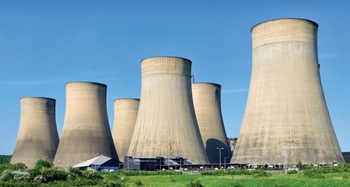
The heritage of nuclear and conventional power stations.
New measures to stop people being ripped off

Government to protect families from cowboy builders and aggressive bailiffs.

New Futurebuild showcase brings an innovation-first approach.
National Planning Policy Framework
Understanding the 2026 changes.
ECA's public affairs priorities

Member consultation opens to shape priorities for 2027 to 2030.

Dutyholder responsibilities from 1 July 2026.
Where performance meets practice

The Building Envelope Stage at UKCW Birmingham.

CIAT publishes briefing on planning reforms.
Leaders in Learning for Practice Network

Call for conservation leaders in learning to register interest in new network.
The importance of early engagement
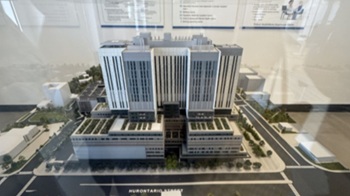
Construction lessons from the Trillium HealthWorks Experience Centre.
Mayors are to be given planning call in powers
Mayors across England will be able to make the most important planning decisions.

The Master Builder: William Butterfield and his times. Book review.